

Introduction
In Africa's vibrant and rapidly evolving business environment, events serve as crucial touchpoints for brands to connect with audiences, build communities, and drive commercial success. From major industry conferences and product launches to intimate workshops and cultural festivals, a well-executed event can amplify your brand's message, showcase innovation, and forge lasting relationships. However, for an event to truly resonate and deliver a significant return on investment, it must be strategically branded. This guide provides actionable insights for African businesses to master event branding, ensuring every experience powerfully reinforces your identity and achieves your strategic objectives.
Key Points
1. Understand Your African Audience & Cultural Nuances
Africa is a continent of immense diversity. Successful event branding begins with deep cultural intelligence. Research and understand the specific customs, languages, sensitivities, and social dynamics of your target region or country. Tailor your event's theme, messaging, visuals, and even menu choices to reflect local tastes and values. For instance, incorporating traditional art forms, music, or storytelling can create an authentic experience that genuinely connects with attendees, fostering a sense of belonging and respect.
2. Define Clear Objectives & Brand Alignment
Before any creative work begins, clarify your event's purpose. Is it for lead generation, thought leadership, product launch, community engagement, or brand awareness? Ensure these objectives align seamlessly with your overall brand identity and business goals. Your event's visual identity (logo, color palette, typography), verbal identity (tone of voice, key messages), and core values should be consistently woven into every aspect of the event, from pre-event communications to post-event follow-ups.
3. Craft a Unique & Immersive Experience
Event branding goes beyond just visuals; it encompasses the entire attendee journey. Think about sensory branding: what do attendees see, hear, taste, smell, and feel? Design interactive elements such as technology showcases (e.g., AR/VR experiences for product demos), live polls, or engaging workshops that encourage participation. Feature local talent, artists, and artisans to add unique flavor and support the local economy. Every touchpoint, from registration to farewell, should tell your brand's story and contribute to a memorable, cohesive experience.
4. Leverage Digital & Social Media Strategically
In an increasingly connected Africa, digital platforms are indispensable for event branding. Develop a robust pre-event hype strategy using targeted social media campaigns, influencer collaborations with respected African voices, and engaging content that builds anticipation. During the event, encourage live sharing with unique hashtags, live-stream key sessions, and facilitate interactive Q&A. Post-event, repurpose content into articles, videos, and podcasts, and engage attendees with surveys to gather valuable feedback and extend the brand experience long after the event concludes.
5. Foster Strategic Partnerships & Sponsorships
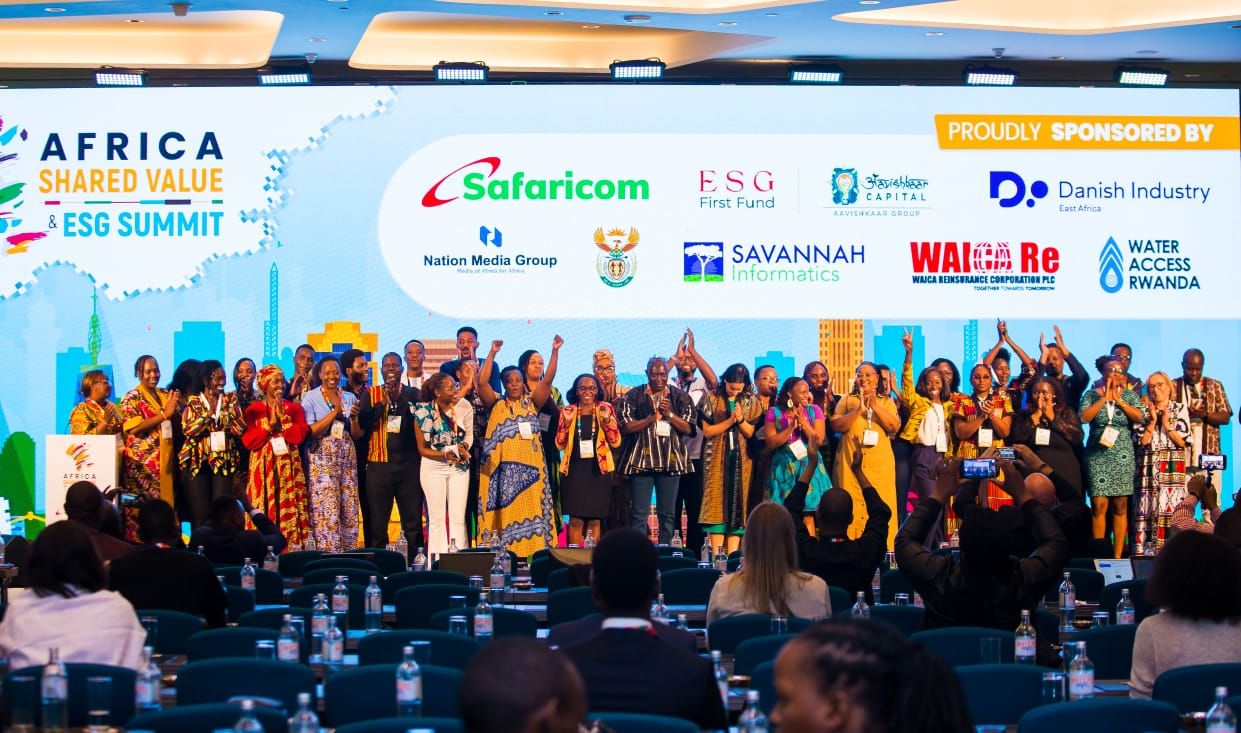
Collaborating with the right partners can significantly amplify your event's reach and credibility. Seek out sponsors and partners whose brand values align with yours and who can offer access to complementary audiences. Look for local businesses, media houses, or community organizations that can add authentic value. Co-branding opportunities can expand your visibility, share resources, and enhance the overall attendee experience, creating mutually beneficial relationships that strengthen your brand's position in the market.
6. Embrace Sustainability & Social Impact
African consumers and businesses are increasingly conscious of social and environmental responsibility. Integrating sustainability practices into your event branding demonstrates genuine commitment. This could include minimizing waste, sourcing local and ethical suppliers, using digital ticketing, or partnering with local charities for a community give-back initiative. Highlighting your event's positive social or environmental impact can significantly boost brand perception and resonate deeply with a values-driven audience.
7. Measure Success & Iterate
Define clear Key Performance Indicators (KPIs) before your event – whether it's attendance numbers, lead generation, media mentions, social media engagement, or post-event survey satisfaction scores. Utilize analytics tools and feedback mechanisms to rigorously evaluate your event's performance against these KPIs. This data is invaluable for understanding what worked, what didn't, and how to refine your branding strategies for future events, ensuring continuous improvement and maximum impact.
Conclusion
Event branding in Africa is more than just aesthetics; it’s about creating culturally relevant, strategically aligned, and impactful experiences that resonate deeply with your audience. By meticulously planning every detail, from cultural integration and immersive experiences to digital engagement and sustainable practices, African businesses can leverage events to not only achieve their immediate objectives but also to build stronger, more authentic brands that stand the test of time and truly thrive across the continent.


Comments (0)